


If you have diabetes, you may need to limit the amount of carbs you eat. However, there are several types of flour that may suit individuals with diabetes. Read on to learn about good flour options, as well as flours you may want to limit.
If you have diabetes, finding healthy low carb recipes can be challenging.
Modifying recipes to meet your needs is one of the easiest and most effective ways to give dishes a diabetes-friendly twist. Doing so often requires swapping out ingredients like white flour for low carb alternatives.
Several flour options are suitable for people with diabetes

Here are a few of the best flour options for people with diabetes, along with a few that you may want to limit or avoid.
1. Almond flour
Almond flour is made from finely ground almonds and is a great gluten-free alternative to regular flour.
Almond flour is low in carbs and high in proteinTrusted Source, fiber, and heart-healthy fats. This gives it a low glycemic index, which is a measure of how much certain foods affect your blood sugar levels.
According to researchers, low glycemic index foods are effective for managing diabetes.
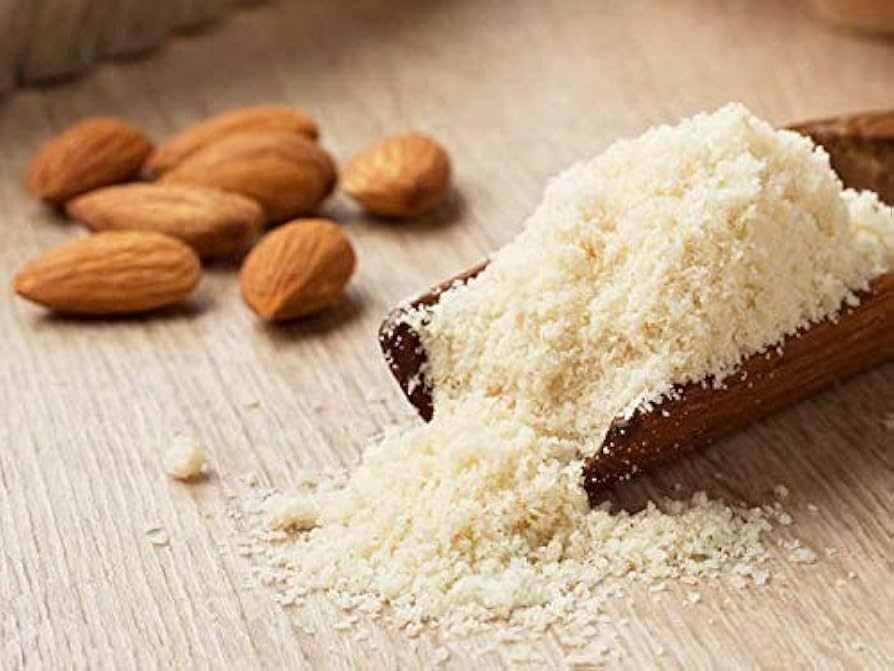
Almond flour has a mild, nutty flavor. You can use it in place of refined white flour in many recipes, including muffins, cookies, bread, and biscuits.
However, keep in mind that it may give foods a denser texture. This is because almond flour does not contain gluten. According to research, gluten is the protein that gives dough its elasticity and helps baked goods rise.
You can generally substitute 1 cup of almond flour for 1 cup of regular flour.
2. Coconut flour
Coconut flour is a type of flour made from coconut meat that has been dried and ground.
Compared with regular flour, coconut flour is lower in carbs and higher in fiberTrusted Source. According to researchersTrusted Source, consuming foods that are high in fiber can slow the absorption of sugar in the bloodstream and support better blood sugar management.
It has a slightly sweet flavor. You can use it in a variety of recipes, including many cakes, cookies, muffins, brownies, and breads.
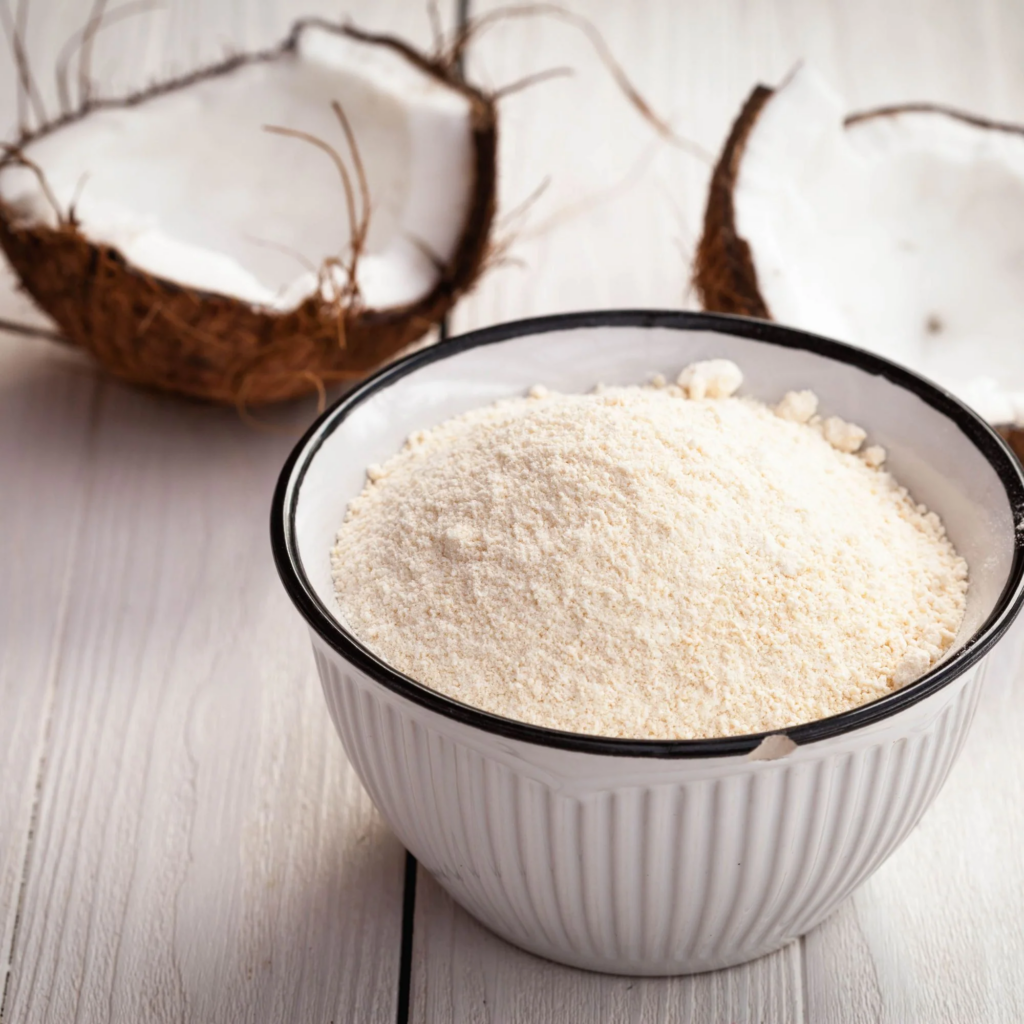
However, remember to adjust your recipes accordingly if you use coconut flour in place of white flour, as it absorbs more liquid and can give foods a dry, gritty texture.
You’ll generally need about 1/4 cup of coconut flour for each cup of regular flour, and you may need to increase the total amount of liquid by the same amount of coconut flour added to the recipe.
3. Chickpea flour
Chickpea flour is made from dried garbanzo beans that have been ground into a fine powder. It is a common flour substitute for people with diabetes.
Chickpea flour has a high protein contentTrusted Source. According to researchersTrusted Source, a high protein diet may help reduce insulin resistance. Insulin resistance is a condition that impairs your body’s ability to regulate blood sugar levels efficiently.
Chickpea flour has a rich, nutty flavor that’s suitable for both sweet and savory recipes like fritters, flatbreads, pancakes, and cookies.

It also has a naturally dense texture and strong binding properties, making it a great vegan and gluten-free substitute for wheat flour.
You’ll generally need slightly less chickpea flour, substituting about half the amount of regular flour with chickpea flour.
HEALTHLINE NEWSLETTER
Enjoy a free diabetes-friendly snack list
Our printable list compiles our favorite nutritious snack ideas to help you manage your blood sugar levels. Join our Type 2 Diabetes newsletter for your free copy and expert guidance twice a week.
4. Oat flour
Oat flour is a popular whole grain flour made by grinding rolled oats until they reach a powder-like consistency.
Oat flour is not only a good source of fiber and proteinTrusted Source but also contains beta-glucan. According to researchers, beta-glucan is a specific type of fiber that has been shown to potentially decrease blood sugar levels in people with diabetes.
Oat flour has a mild, nutty flavor and can help soften baked goods while giving them a chewy, unique texture.
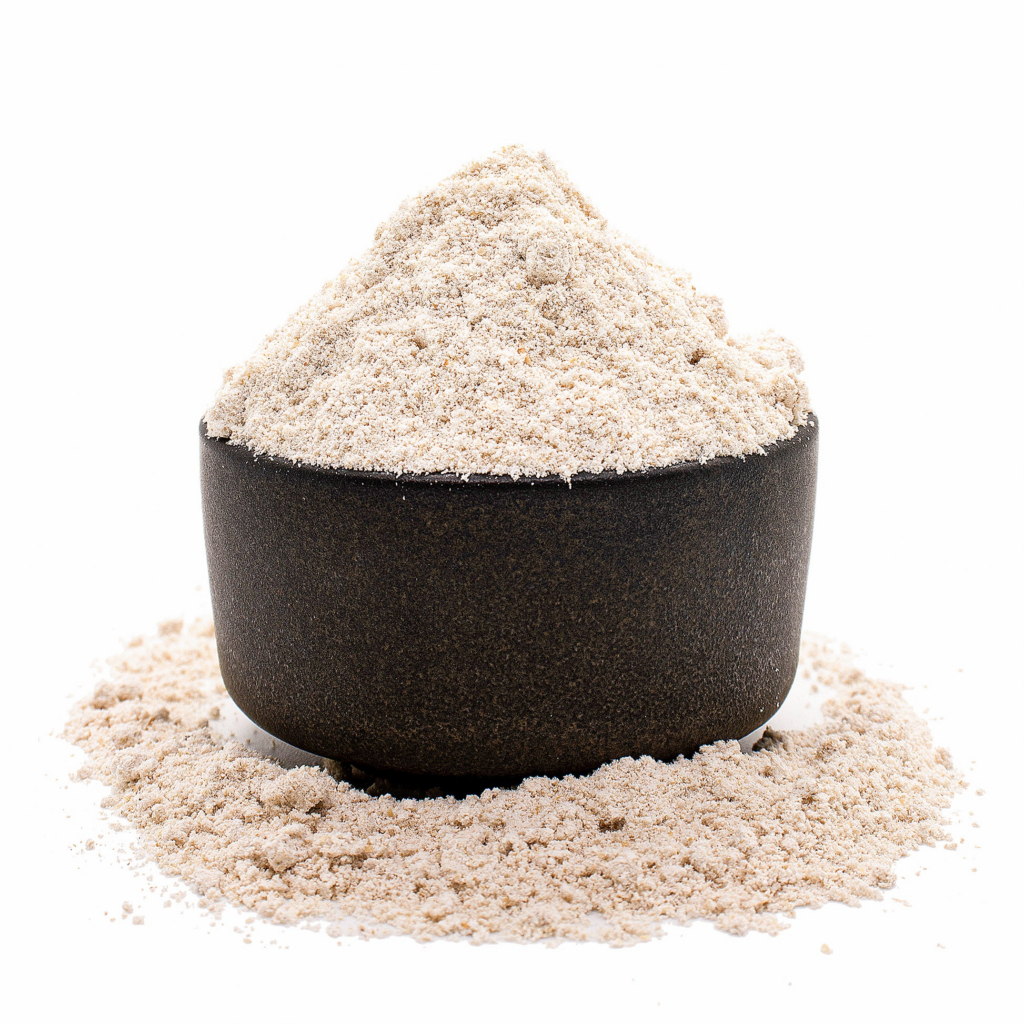
Although you may need to make a few slight adjustments, you can use oat flour in most recipes that call for white flour, including cookies, breads, muffins, and pancakes.
You may need to use slightly more oat flour when substituting it for regular flour. You’ll need to substitute about 1 1/3 cups of oat flour for each cup of regular flour.
5. 100% whole wheat flour
Although white flour is derived from wheat, 100% whole wheat flour is very different nutritionally. White flour has the wheat germ and bran removed, which are the most nutritious parts of the wheat kernel.
Whole wheat flour is made by grinding entire wheat kernels into a powder, and is higher in protein, fiber, iron, and potassium.
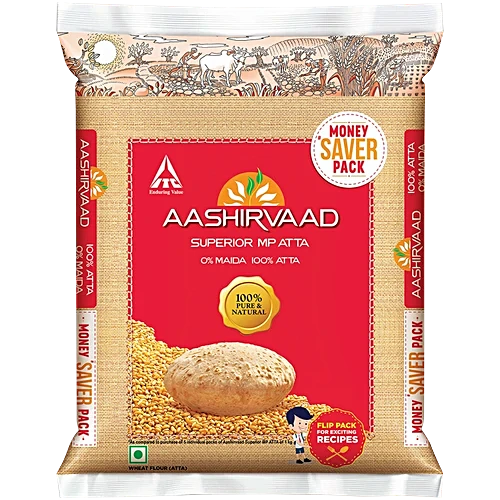
You can generally substitute whole wheat flour for regular flour at a 1:1 ratio, though you should expect a less fluffy texture.
Flours to use less often
Although there are many flour options available for people with diabetes, there are a few types that you may want to use infrequently.
These varieties of flour are very high in carbs. Additionally, they are also low in fiber, protein, or heart-healthy fats. Thus, they may cause sudden spikes and crashes in blood sugar levels.
Also Read : Moong Dal Chilla for Diabetes