

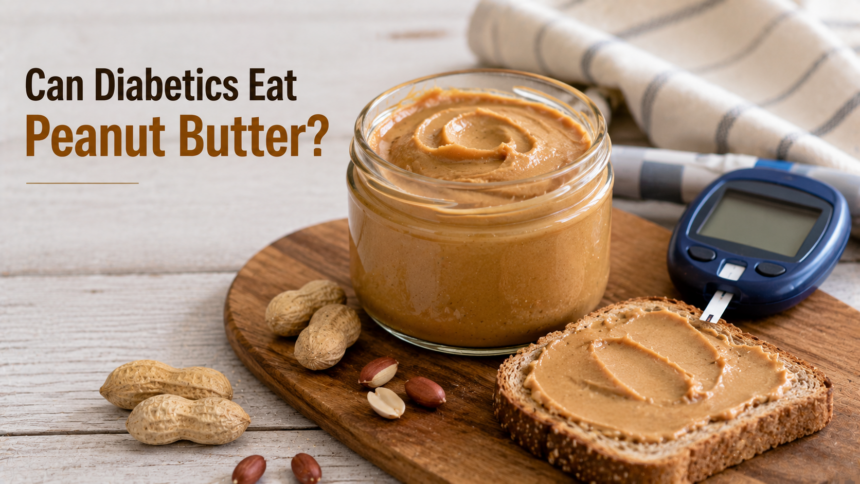
In the realm of dietary choices for individuals with diabetes, peanut butter often takes center stage in nutritional debates. Many people wonder if they can safely enjoy this beloved spread without compromising their health.
The short answer is yes! When chosen carefully and consumed in moderation, peanut butter serves as a highly nutritious addition to a diabetes-friendly diet.
Here is a complete breakdown of its nutritional makeup, how it impacts your blood sugar, and what to look for on the grocery store shelves.

Understanding the Nutritional Breakdown
Healthy options, like Fitspire Peanut Butter, boast an impressive macronutrient profile. According to the USDA FoodData Central database, a standard two-tablespoon (32g) serving of smooth peanut butter contains approximately 16 grams of fat, 7 grams of protein, and only 6 grams of carbohydrates.
Carbohydrates Peanuts have a very low glycemic index (GI) of just 14. Carbohydrates make up only 13% to 16% of their total weight. Because your body breaks down these complex carbs gradually, peanut butter rarely causes dangerous blood sugar spikes.
Fats While 16 grams of fat per serving might sound high, the vast majority are “healthy” monounsaturated and polyunsaturated fats. Peanuts contain oleic acid, which helps manage cholesterol, and linoleic acid, which promotes muscle growth. The American Heart Association frequently highlights these exact fats for lowering inflammation and reducing the risk of cardiovascular disease.
Protein, Vitamins, and Minerals Peanut butter serves as an excellent plant-based protein source. Each serving packs seven grams of protein, which keeps you full and stabilizes your energy levels. Furthermore, every spoonful delivers vital nutrients, including B-complex vitamins, vitamin E, potassium, magnesium, and phosphorus.
How It Impacts Blood Sugar Levels
Managing blood sugar remains the top priority for anyone with diabetes. The American Diabetes Association recommends utilizing the Glycemic Index (GI) to measure how quickly specific foods raise blood glucose levels. Foods with a low GI trigger a much slower, safer increase in blood sugar.
Peanut butter scores incredibly low on the GI scale. Its rich combination of fat and protein actively slows down carbohydrate absorption. This creates a highly stable, gradual rise in blood sugar rather than an abrupt crash, making it a highly favorable option.

Key Benefits for Diabetes Management
Adding natural peanut butter to your daily routine provides several distinct advantages:
- Stable Energy Levels: The low glycemic index actively prevents abrupt sugar spikes and crashes.
- Satiety and Weight Management: The combination of healthy fats and dense protein creates a lasting feeling of fullness. This aids in portion control and healthy weight management.
- Heart-Healthy Support: Individuals with diabetes face a higher risk of heart disease. The unsaturated fats in peanut butter actively protect your cardiovascular system.
Choosing the Right Peanut Butter
Not all jars of peanut butter are created equal. Many commercial brands sneak in added sugars and harmful hydrogenated oils to stabilize the spread and prevent natural separation. These additives completely compromise the health benefits and can negatively impact your blood lipid levels.
You must read the nutrition label carefully. Opt for natural or organic varieties that contain minimal ingredients—ideally just peanuts and a pinch of salt. If you need help tailoring your specific meal plan, consulting a registered dietitian through the Academy of Nutrition and Dietetics is a smart next step. For additional medical guidelines regarding healthy fat consumption and diabetes control, you can also review the comprehensive patient resources provided by the Mayo Clinic.
Also Read : Shakshuka