

Key takeaways
• Though often marketed as beneficial for diabetics, artificial sweeteners may have the opposite effect and can potentially increase the risk of diabetes, glucose intolerance, and weight gain.
• Stevia, a natural sweetener, may be better because it can help stabilize blood sugar levels and may have antidiabetic properties.
• You could also consider alternatives such as monk fruit extract, date sugar, and D-allulose, but remember that experts recommend limiting overall added sugar intake from all sources.
With a low to no calorie sugar count, artificial sweeteners may seem like a treat for people with diabetes. However, recent research indicates that artificial sweeteners may be counterintuitive, especially if you want to manage or prevent diabetes.
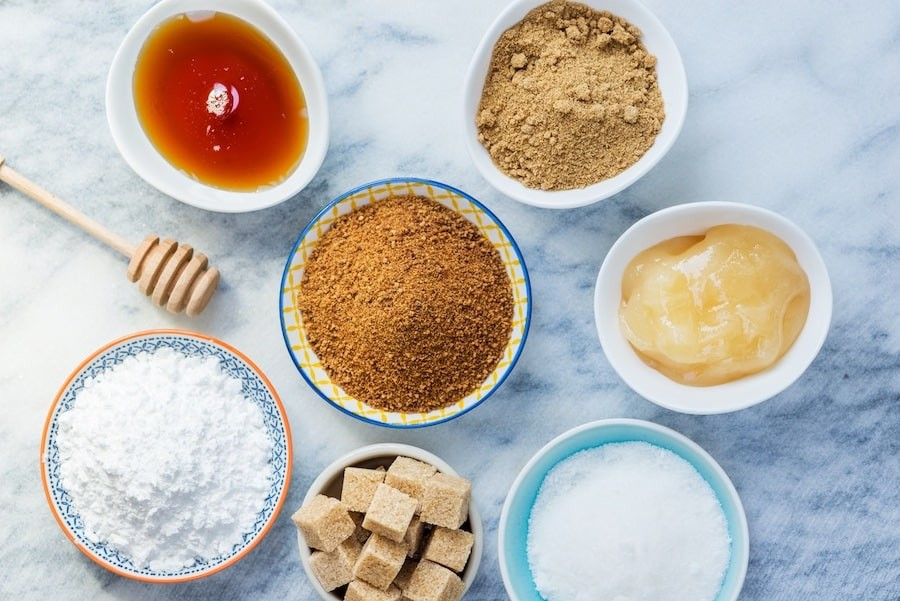
The increased consumption of these sugar substitutes may correlate to the increase in obesity and diabetes cases. There are some sugar alternatives you can choose from.
This article explains what sugar substitutes are best if you have diabetes.
Should you use artificial sweeteners?
Many sugar substitutes and artificial sweeteners may help manage blood sugar, such as:
- stevia or stevia products such as Truvia
- tagatose
- monk fruit extract
- coconut palm sugar
- date sugar
- sugar alcohols, such as erythritol or xylitol
You’ll still want to watch your intake for glucose management.
What is stevia?
Stevia is a low calorie sweetener that has antioxidant and antidiabetic properties. It’s been approved by the Food and Drug Administration (FDA).
Unlike artificial sweeteners and sugar, stevia may suppress plasma glucose levels and significantly increaseTrusted Source glucose tolerance. It’s also not an artificial sweetener, technically speaking. That’s because it’s made from the leaves of the steviaplant.
Stevia may have the ability to:
- increase insulin production
- increase insulin’s effect on cell membranes
- stabilize blood sugar levels
- counter the mechanics of type 2 diabetes and its complications
You can find steviaunder brand names such as:
- Pure Via
- Sun Crystals
- SweetLeaf
- Truvia
While steviais natural, these brands are usually highly processed and may contain other ingredients. For example, Truvia goes through 40 processing steps before it’s ready to be sold. It also contains the sugar alcohol erythritol.
Future research may shed more light on the effect of consuming these processed stevia sweeteners.
What is tagatose?
Tagatose is another naturally occurring sugar that researchers are studying. Studies show that tagatose:
- may be a potential antidiabetic and antiobesity medication
- may lower your blood sugar and insulin response
- may interfere with the absorption of carbohydrates
A 2018 review of studies suggests that tagatose is “promising as a sweetener without major adverse effects observed.”
However, tagatose needs more studies to provide more definitive answers. Talk with your doctor before trying newer sweeteners such as tagatose.
Enjoy a free diabetes-friendly snack list
Our printable list compiles our favorite nutritious snack ideas to help you manage your blood sugar levels. Join our Type 2 Diabetes newsletter for your free copy and expert guidance twice a week

What are some other sweet options?
Monk fruit extract is another alternative that is gaining popularity. But no processed sweetener can beat using fresh whole fruit to sweeten foods.
Another excellent option is date sugar, made of dried and ground whole dates. It doesn’t provide fewer calories, but date sugar is made of whole fruit with intact fiber.
D-allulose is also a good sugar substituteTrusted Source and is naturally present in foods such as figs and wheat.
If you count carbohydrates for meal planning, you can subtract fiber from the total grams of carbohydrates. This will give you the net carbs consumed, although the American Diabetes Association recommends not to use net carbs when counting carbs. The more fibrous a food is, the lower its effect on your blood sugar.
Why are artificial sweeteners bad for people with diabetes?
Some artificial sweeteners claim to be “sugar-free” or “diabetic-friendly,” but researchTrusted Source suggests they have the opposite effect.
Your body responds differently to artificial sweeteners than it does to regular sugar. Artificial sugar can interfere with your body’s learned taste, confusing your brain and sending signals telling you to eat more, especially sweet foods.
Artificial sweeteners can still raise your glucose levels
One 2023 studyTrusted Source saw that individuals who ate more artificial sweeteners were at a higher risk of developing diabetes than people who did not eat artificial sweeteners.
Eating artificial sweeteners in moderation may help with short-term weight loss and diabetes management. However, long-term studies confirm this are lacking.
If you’re considering replacing sugar regularly, talk with your doctor and dietitian about your concerns. As of 2023, the World Health Organisation (WHO)Trusted Source advised against using nonnutritive sweeteners for managing weight, including artificial sweeteners and stevia.
Artificial sweeteners may also contribute to weight gain
Obesity and having overweight is one of the top predictors of diabetes. While artificial sweeteners are FDA-approvedTrusted Source, it doesn’t mean they’re completely safe to use.
Marketing of food products can lead you to think non-caloric artificial sweeteners help with weight loss, but studies show the opposite.
That’s because artificial sweeteners:
- may lead to cravings, overeating, and weight gain
- alter gut bacteria, which plays a role in weight management
For people with diabetes looking to manage their weight or sugar intake, artificial sweeteners may not be a good substitute.
Having overweight or obesity can also increase your risk factors for several other health issues, such as high blood pressure, body pain, and strok,
What about sugar alcohols?
Sugar alcohols are naturally found in plants and berries. The types most often used in the food industry are synthetically created. You can find them in food products labeled as “sugar-free” or “no sugar added.”
Labels such as this are misleading because sugar alcohols are still carbohydrates. They can still raise your blood sugar, but not as much as regular sugar.
Swerve is a newer consumer brand that contains erythritol. It’s available in many grocery stores. The brand Ideal contains both sucralose and xylitol.
Different from artificial sweeteners
Sugar alcohols are often synthetic, similar to artificial sweeteners. But these two classifications of sugar alternatives aren’t the same. Sugar alcohols are different because they:
- can be metabolized without insulin
- are less sweet than artificial sweeteners and sugar
- can be partially digested in the intestine
- don’t have the aftertaste of artificial sweeteners
ResearchTrusted Source suggests that sugar alcohols such as erythritol can sufficiently replace sugar. However, reports also say that they won’t play a significant role in weight loss. You should treat sugar alcohols the same as sugar and limit your intake.
Sugar alcohols are also known to produce side effects such as gas, bloating, and abdominal discomfort. However, erythritol is usually better tolerated if you’re concerned about these side effects. A recent studyTrusted Source found that erythritol may be linked to an increased risk of heart disease, although more studies are needed to confirm this.
Frequently asked questions
Here are some common questions about artificial sweeteners and diabetes.
Should those with diabetes avoid stevia?
Stevia is suitable for those with diabetes and is a safe alternativeTrusted Source to sugar.
What is the safest sweetener for those with diabetes?
The safest sweetener to use is a natural sweetener like pure stevia extract without fillers or monk fruit. However, it’s best to use these in moderation.
Which is better for those with diabetes, stevia or Splenda?
Stevia is the healthier alternative, with antidiabetic properties and the potential ability to stabilize blood glucose levels.
What are the side effects of using stevia?
Highly processed stevia products can raise blood sugar, so speak with your doctor or healthcare professional before altering your diet. Stevia may also increaseTrusted Source liver enzymes, worsen kidney function, and decrease anti-inflammatory cytokines.
Summary
Recent studies indicate that artificial sweeteners are no longer suitable alternatives to sugar. In fact, they may increase a person’s risk for diabetes, glucose intolerance, and weight gain.
If you’re looking for a healthier alternative, try stevia. Based on research to date, this alternative sweetener is one of your better options. It’s known for its antidiabetic properties and ability to stabilize blood sugar levels.
However, experts recommend limiting your added sugar intake rather than switching to sugar substitutes.
The more added sweeteners you consume, the more exposure your palate has to sweet tastes. Palate research shows that the food you prefer and crave is the food you eat most often.
Twice a week you’ll get tips on eating wisely, news on breakthroughs, and more resources to help you stay on top of your diabetes. Tell us what you want to read in your inbox.
Also Read : 17 Top One-Pot Diabetic-Friendly Meal Ideas