


Bread remains a beloved household staple across the globe. From hearty sandwiches to morning toast, it serves as the perfect base for many meals. However, a diabetes diagnosis often makes people question their carbohydrate choices.
Many people wonder if they must give up bread entirely. Good news! You can absolutely include bread in your daily meal plan. You just need to understand how to choose the right type and balance your portions.
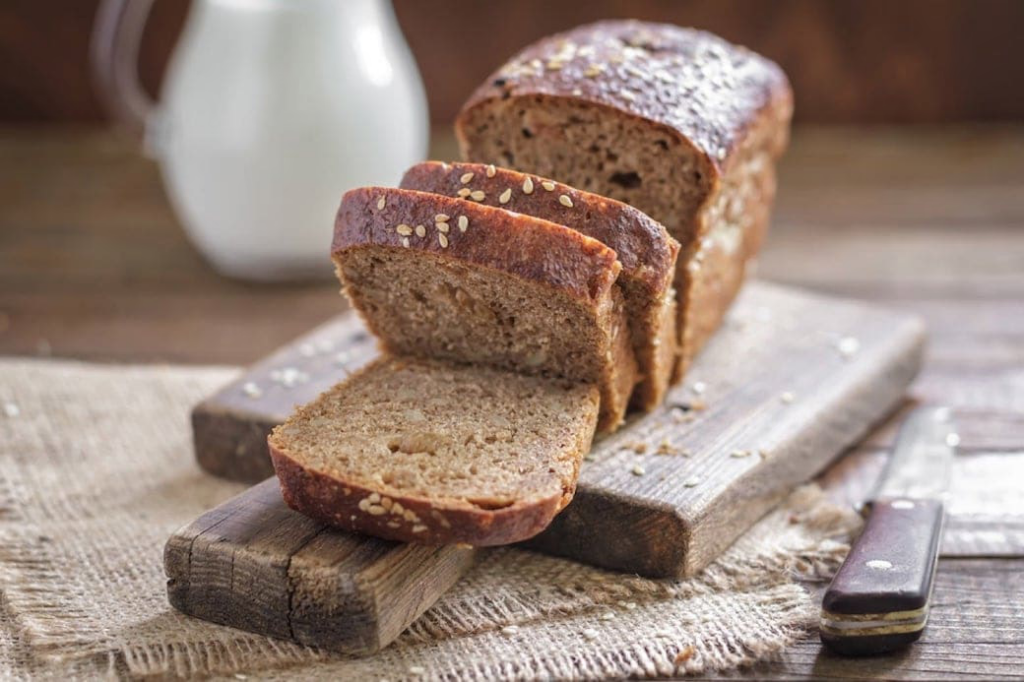
How Bread Affects Your Blood Sugar
According to the Centers for Disease Control and Prevention (CDC), millions of Americans live with type 2 diabetes. This condition means your body no longer responds normally to insulin.
When you eat carbohydrate-heavy foods like bread, your blood sugar naturally rises. Consistently high blood sugar can lead to serious complications over time. However, this does not mean you have to banish bread from your pantry. Experts agree that you can safely enjoy bread if you monitor your daily carbohydrate limits.
How Much Bread Can You Eat?
Portion control is essential when managing diabetes. A standard slice of bread contains about 15 grams of carbohydrates. This equals one carbohydrate serving.
If you make a sandwich with two slices of bread, you consume roughly 30 grams of carbs. You must count these two servings toward your daily allowance. The American Diabetes Association (ADA) recommends working closely with a registered dietitian. A professional can help you determine the exact number of carbohydrate servings you need each day.
Always Choose High-Fiber Bread
Not all bread is created equal. When shopping at the grocery store, you must look for high-fiber options.
Dietary fiber is a type of carbohydrate that your body cannot easily digest. Because of this, it slows down the absorption of sugar into your bloodstream. The nutrition experts at Harvard T.H. Chan School of Public Health strongly recommend fiber for preventing blood sugar spikes.
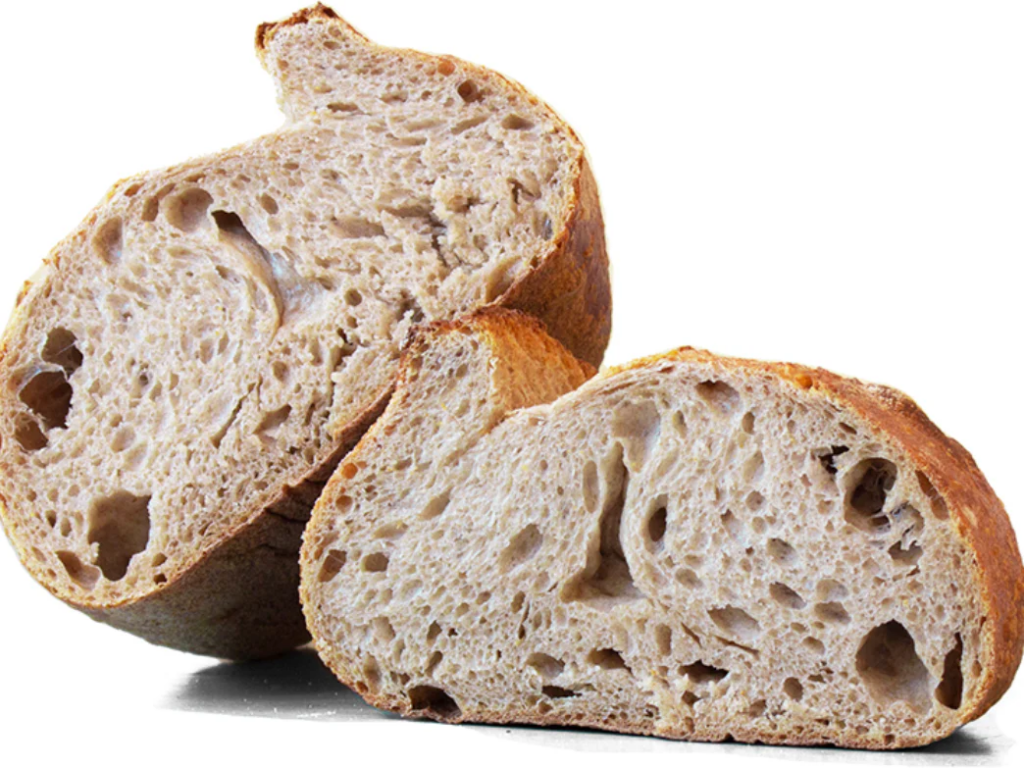
Always choose 100% whole-grain bread over white bread. Check the nutrition label carefully. Your bread should contain at least 3 grams of fiber per slice.
Pair Your Bread with Protein and Healthy Fats
You should avoid eating plain carbohydrates by themselves. Instead, you can actively manage your blood sugar by pairing your bread with a healthy fat or a lean protein source.
Protein and fat digest slowly. When you eat them alongside bread, they help temper your body’s glycemic response. Try adding these delicious, diabetes-friendly toppings to your next slice of toast:
- Sliced avocado
- Smoked salmon
- Turkey or chicken breast
- Hummus
- Eggs
You can also load your sandwich up with fresh, high-fiber vegetables. If you want to cut your carbohydrate intake in half, try making an open-faced sandwich. Using only one slice of bread allows you to enjoy your favorite flavors while keeping your blood sugar perfectly in check!
Also Read : Cauliflower Smoothie